

glass pane
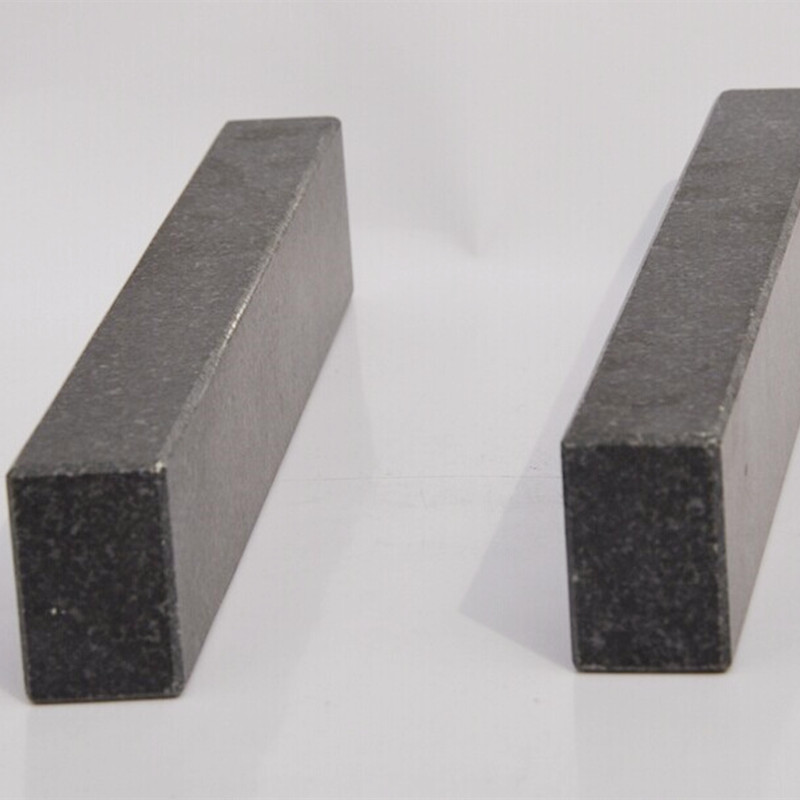
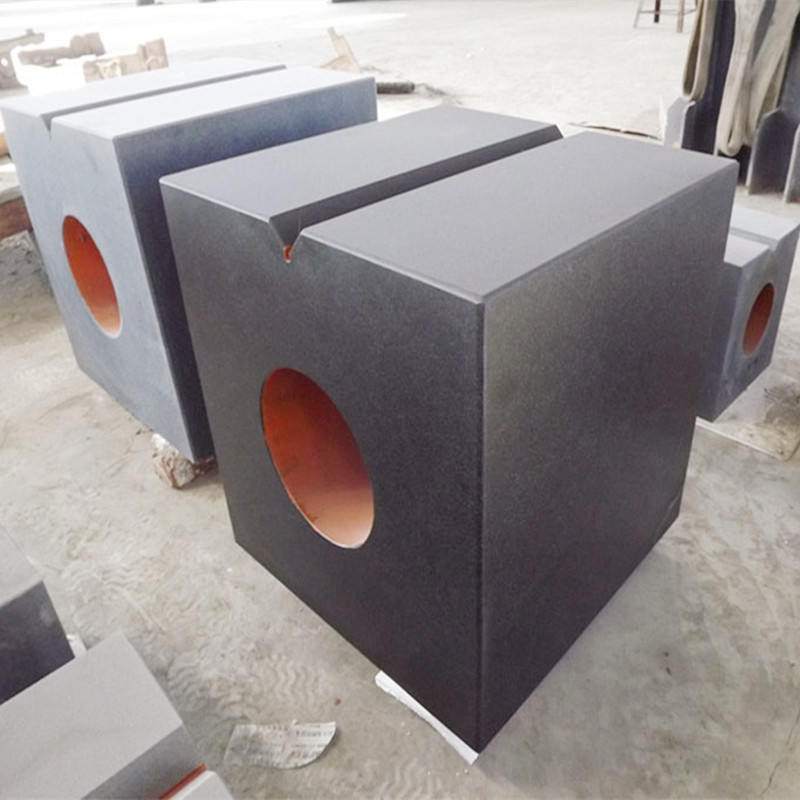
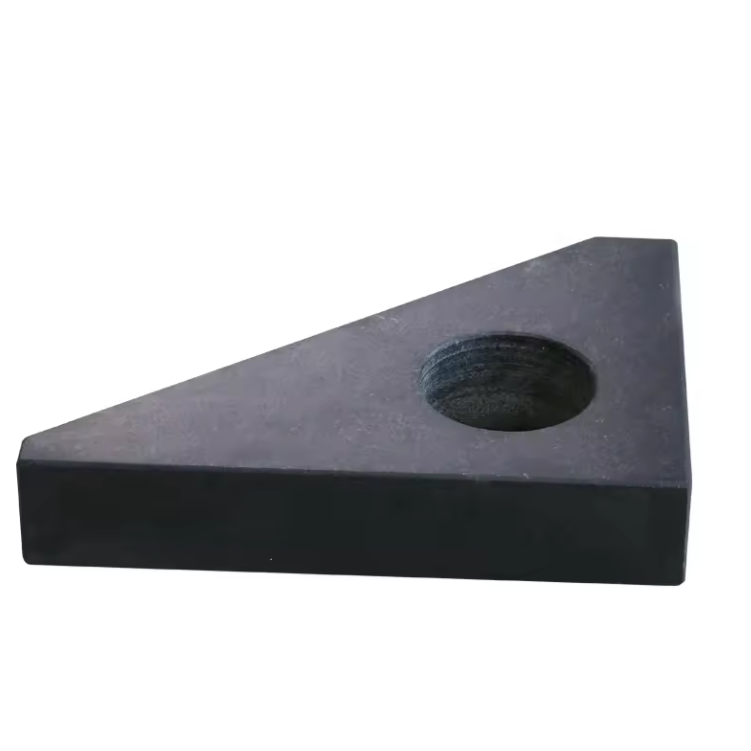
The Importance of Stone Surface Plates in Modern Metrology In the world of metrology, precision is paramount. Engineers and technicians alike understand that the accuracy of measurements can have a profound impact on product quality and performance. Among the various tools employed in this quest for precision, stone surface plates stand out as essential instruments. These flat, stable surfaces offer an unparalleled foundation for inspection, calibration, and assembly processes. What are Stone Surface Plates? Stone surface plates are flat, rigid slabs typically made from natural stone, such as granite, or high-quality synthetic materials. They are designed to provide a stable and accurate reference plane for measuring instruments. The most common application of stone surface plates is in quality control environments, including manufacturing plants and laboratories, where precise measurements are crucial. Material Considerations Granite is the preferred material for most surface plates due to its excellent properties. Its durability, resistance to wear, and ability to maintain flatness over time make it ideal for metrology applications. Additionally, granite offers thermal stability, which is crucial when working with varying temperatures in industrial settings. Unlike metal plates, granite does not expand or contract significantly with temperature changes, ensuring that measurements remain consistent and accurate. Flatness and Accuracy The primary function of a stone surface plate is to provide a flat reference surface. The flatness of these plates is measured in terms of shape tolerance, which specifies how much deviation from absolute flatness is permissible. Premium quality granite plates can achieve tolerances of just a few microns. This level of precision is essential for high-stakes applications, such as aerospace and automotive industries, where even minor inaccuracies can lead to significant consequences. Applications of Stone Surface Plates stone surface plate Stone surface plates are utilized across various industries for numerous applications. They are primarily used in 1. Inspection and Quality Control By placing components on a surface plate, inspectors can gauge their dimensions using calipers, micrometers, and height gauges. The flatness and stability of the plate ensure that measurements taken are both accurate and repeatable. 2. Calibration Surface plates are often employed as reference standards for calibrating measuring instruments. By comparing the measurements of calibration tools against the stable surface, technicians can ensure that their instruments function correctly. 3. Assembly and Machining In assembly processes, ensuring that parts fit together accurately is crucial. Stone surface plates provide a level surface where parts can be securely positioned and checked for alignment, simplifying complex assembly tasks. 4. Tool and Die Making In toolmaking, precision is vital. Surface plates provide a stable base for the manufacture and assembly of tooling components, ensuring that all parts align correctly before finalization. Maintenance and Care To ensure longevity and continued accuracy, regular maintenance of stone surface plates is crucial. Cleaning the surface with non-abrasive materials helps to avoid scratches that could affect flatness. Additionally, periodic checkups using level gauges or laser alignment tools can help detect any deviations from flatness over time. Should a plate become chipped or scratched, resurfacing may be required to restore its precision. Conclusion Stone surface plates are indispensable in the world of precision measurement and quality control. Their ability to provide a flat, stable, and durable reference surface enables manufacturers to maintain high standards of accuracy in their products. As industries continue to evolve and demand greater precision, the role of stone surface plates will only expand, underscoring their significance in modern metrology practices. By prioritizing the use of these essential tools, businesses can enhance their performance, ensure product quality, and maintain a competitive edge in today's global marketplace.
about
glass pane
A large metal strainer is a kitchen essential that serves many purposes. It is a versatile tool that can be used for a variety of cooking tasks, from straining pasta to rinsing fruits and vegetables. The design of a metal strainer typically consists of a bowl-shaped container with small holes or perforations that allow liquid to pass through while trapping solids. This allows for efficient and thorough straining without losing any of the contents. One of the most common uses for a large metal strainer is straining pasta. After cooking pasta in boiling water, the strainer is used to drain the pasta and remove excess water. The small holes in the strainer prevent the pasta from escaping while ensuring that the water is properly drained. This ensures that the pasta is not overcooked and maintains its desired texture. In addition to straining pasta, a large metal strainer can also be used to rinse fruits and vegetables. This is particularly useful for removing dirt and debris from produce before cooking or eating. By placing the fruits or vegetables in the strainer and running water over them, any impurities are easily washed away while the produce remains intact. This ensures that your fruits and vegetables are clean and safe to consume. Furthermore, a large metal strainer can be used for separating solids from liquids in cooking Furthermore, a large metal strainer can be used for separating solids from liquids in cooking Furthermore, a large metal strainer can be used for separating solids from liquids in cooking Furthermore, a large metal strainer can be used for separating solids from liquids in cooking large metal strainer . For example, when making homemade broth or stock, the strainer can be used to separate the liquid from the solids such as bones, vegetables, and herbs. This results in a clear and flavorful broth that is free of any unwanted particles. The strainer can also be used to strain custards or sauces to remove any lumps or impurities, resulting in a smooth and silky texture. Another practical use for a large metal strainer is for sifting dry ingredients such as flour, cocoa powder, or powdered sugar. By placing the strainer over a bowl and gently tapping or shaking it, the dry ingredients are aerated and evenly distributed, resulting in a lighter and fluffier texture. This is particularly important when baking, as properly sifted dry ingredients can affect the texture and rise of baked goods. Overall, a large metal strainer is a versatile and indispensable tool in the kitchen. Whether you are straining pasta, rinsing fruits and vegetables, separating solids from liquids, or sifting dry ingredients, a metal strainer ensures efficiency and precision in your cooking. Its durable construction and practical design make it a must-have for any home cook or professional chef. Add a large metal strainer to your kitchen arsenal today and elevate your cooking experience to the next level.
-

High quality industrial productsagement

High quality industrial products
View Details -

Meet the diverse needs of customers

Meet the diverse needs of customers
View Details -

Strict quality control

Strict quality control
View Details -

Top raw materials

Top raw materials
View Details -

Trusted supplier

Trusted supplier
View Details
Our application

news and information
Various Types of Water Valves and Their Applications in Plumbing and Industrial Systems
Types of Water Valves An Overview Water valves are crucial components in plumbing and irrigation sys
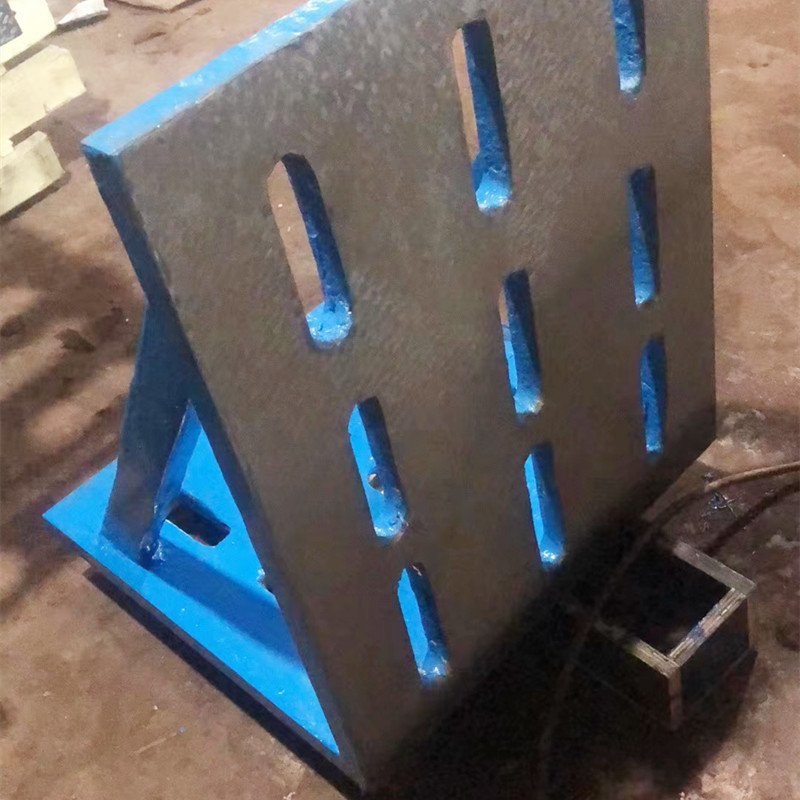
Versatile Clamping Solutions for Welding Tables and Projects
The Importance of Welding Table Clamps in Metal Fabrication Welding is an essential process in metal

V Blocks Available for Purchase at Competitive Prices
Exploring V Blocks for Sale A Comprehensive Guide In the ever-evolving landscape of technology and
 English